
.jpg)
5-1 Koishikawa
Bunkyo, Tokyo
Japan


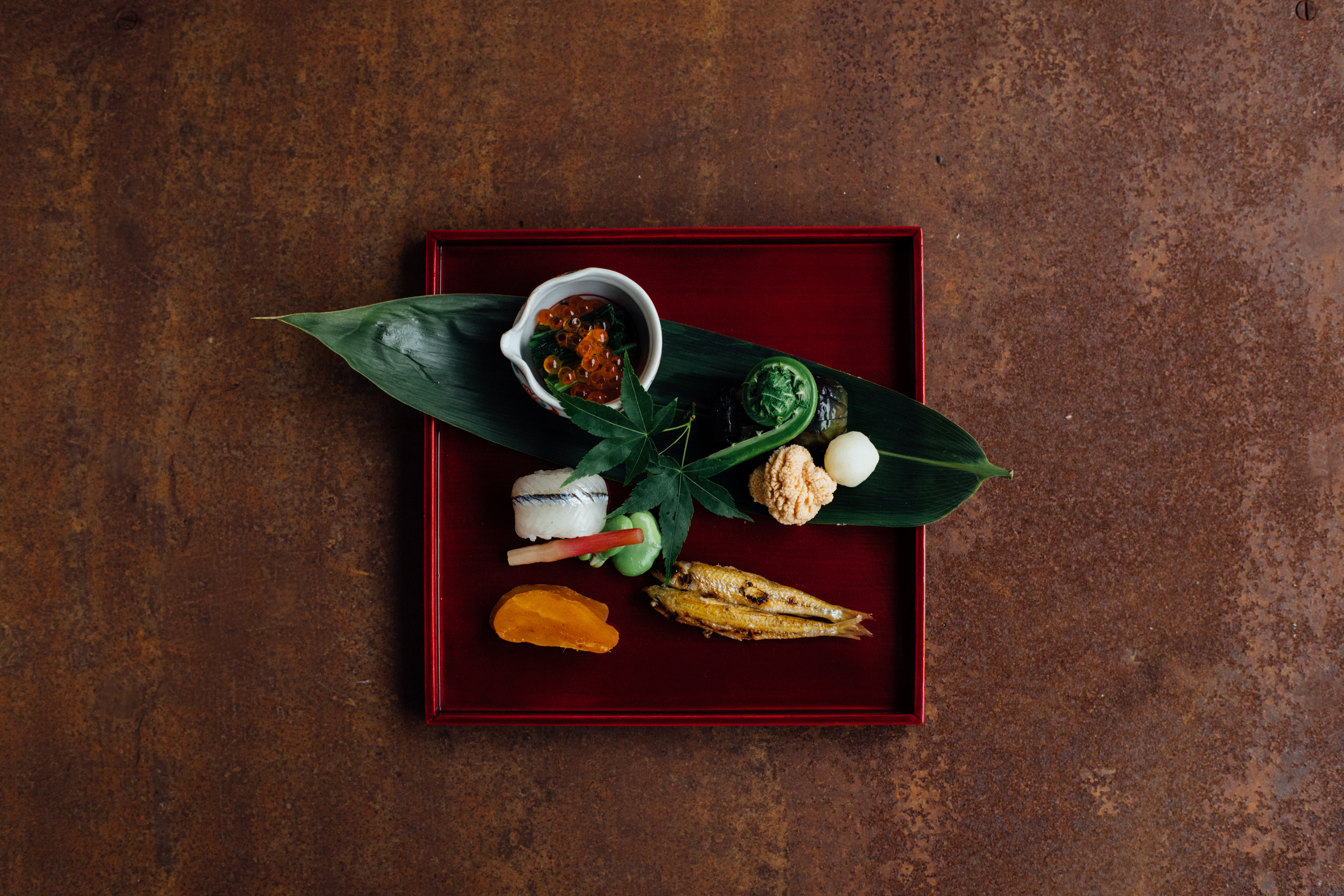
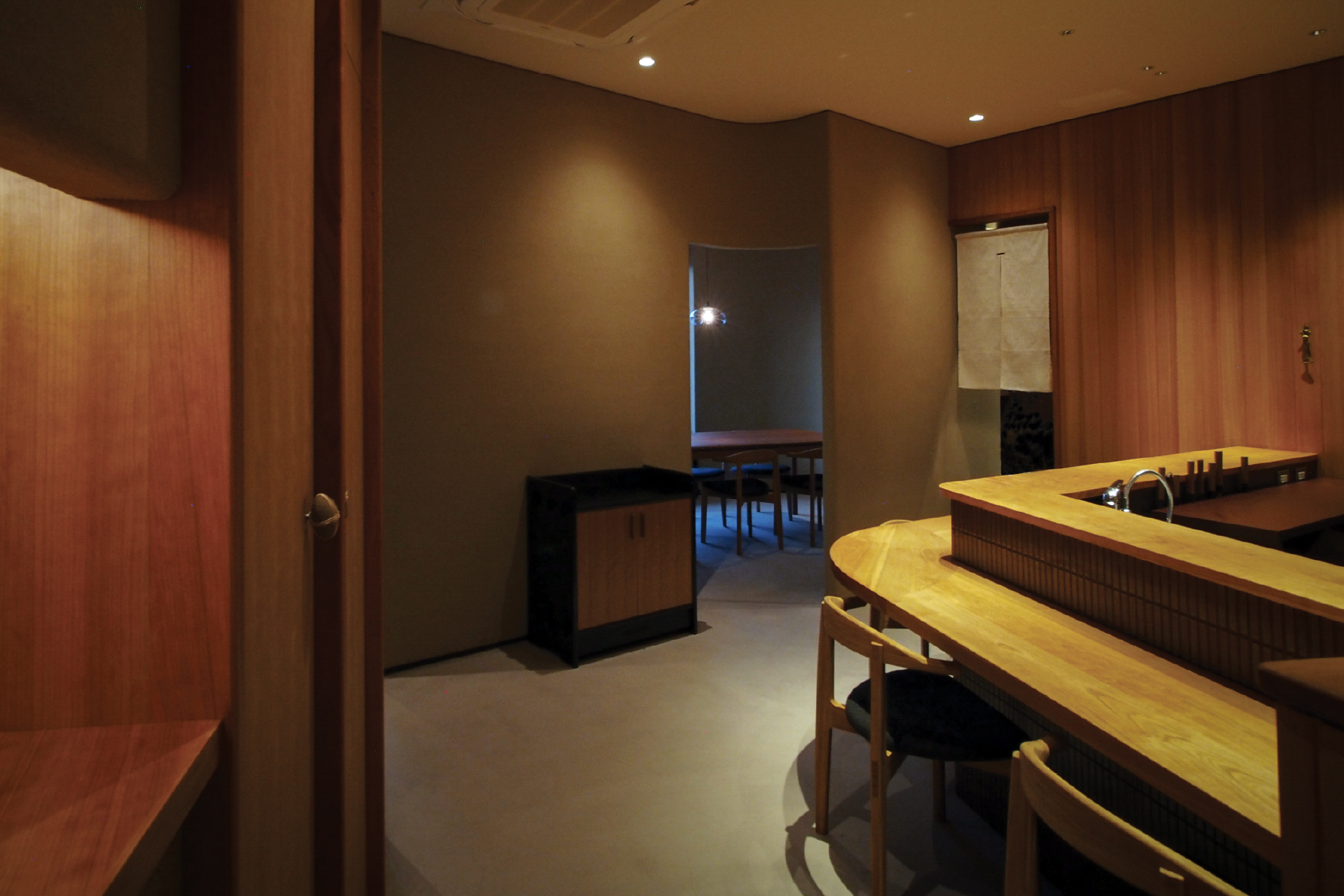
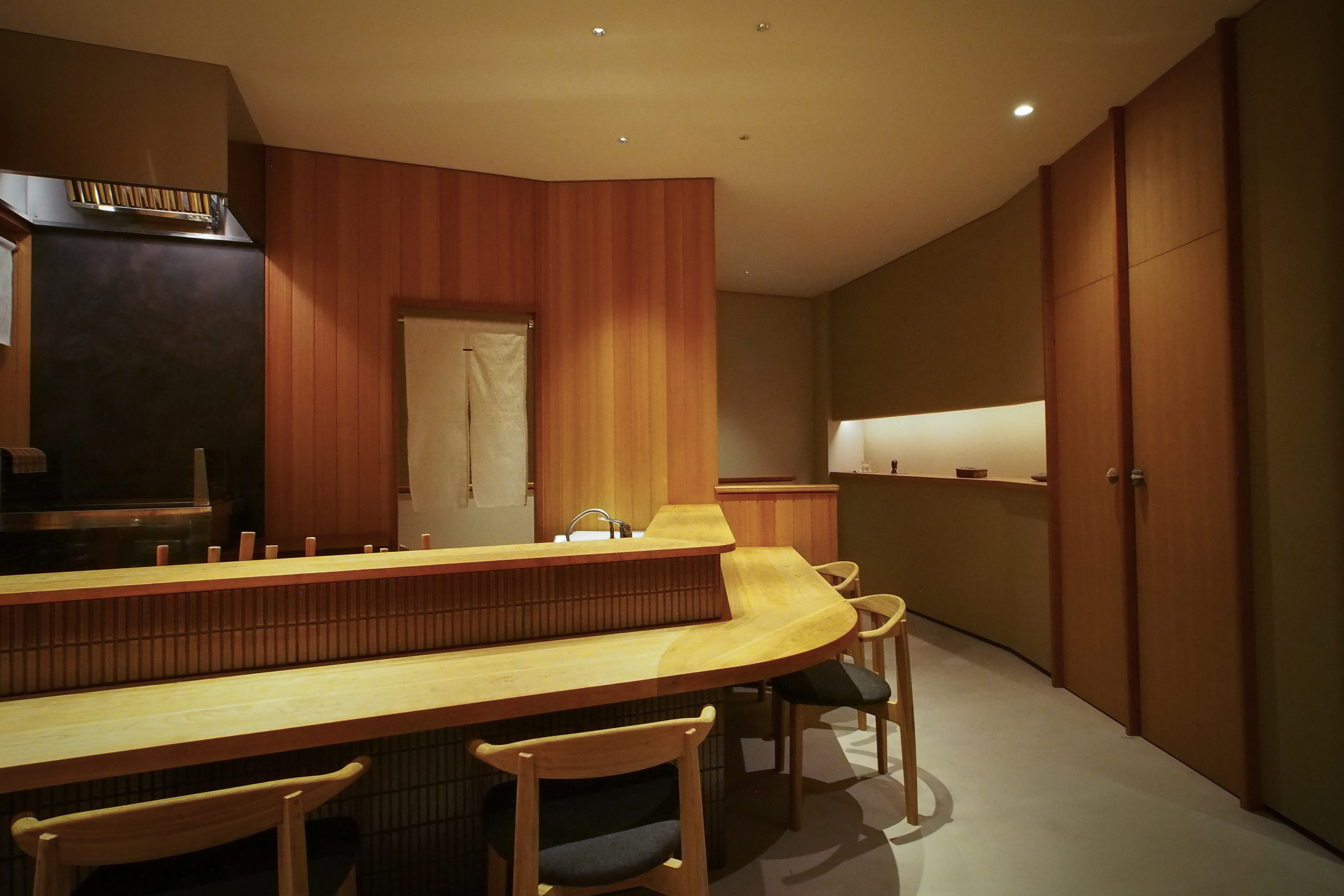
A restaurant's atmosphere lives across things most people treat as separate jobs — the room you sit in, the way the food is photographed for menus and social, and the graphics in your hand. Sourced from an interior designer, a food photographer, and a graphic studio in isolation, they drift apart in tone; the guest can't name why, but the experience feels assembled rather than composed.
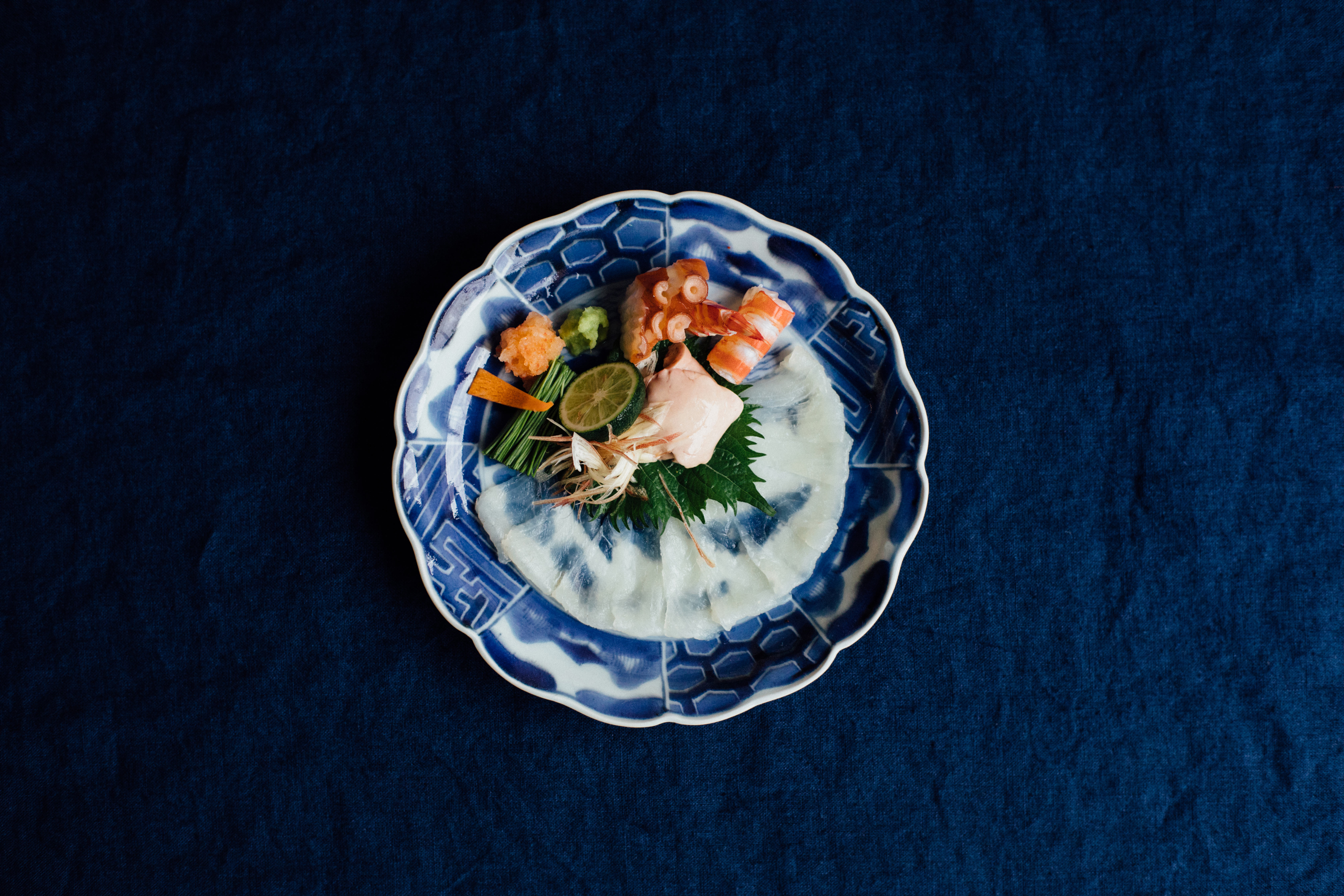
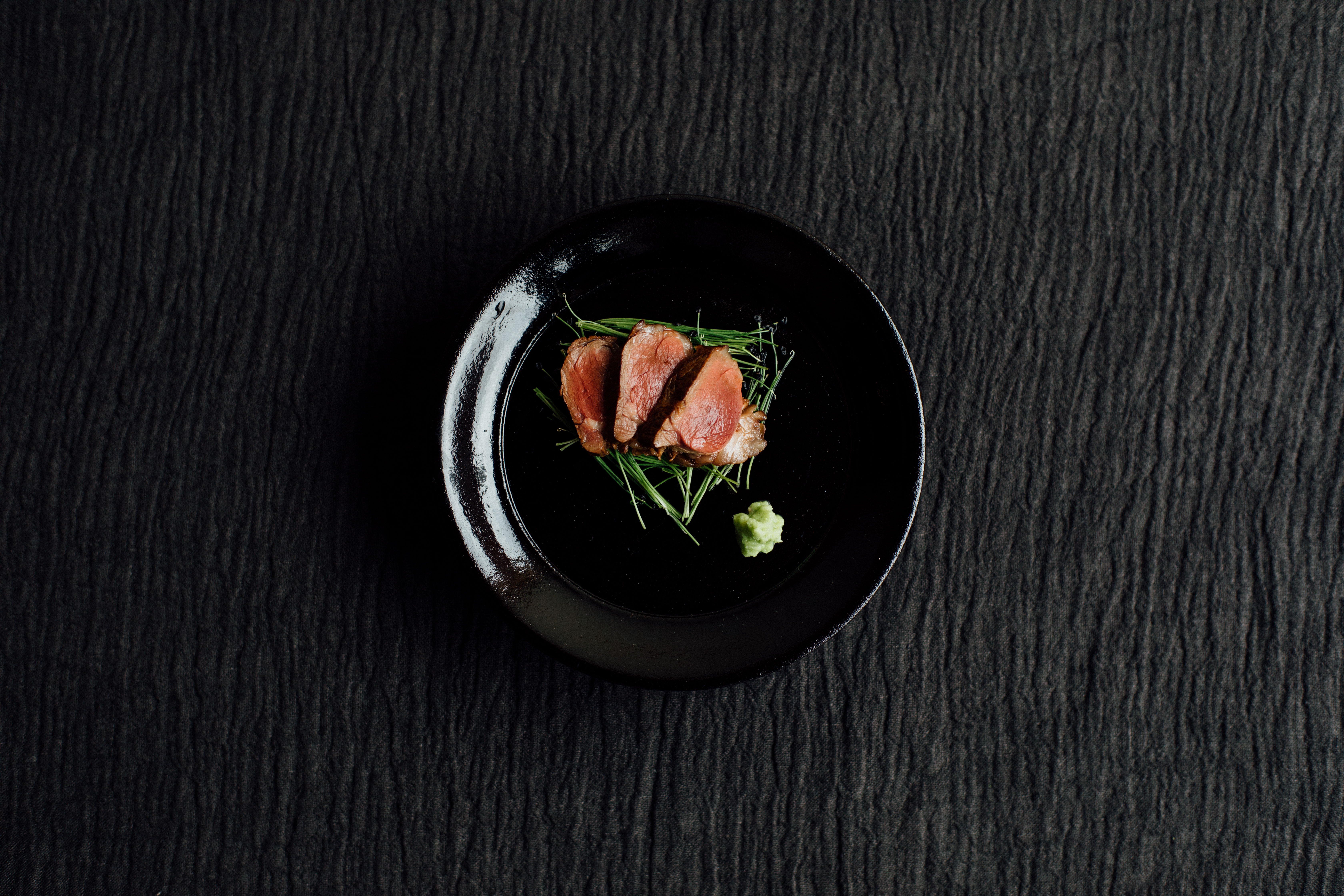
A restaurant's atmosphere fractures when the room, the food photography, and the printed matter are handled by different people. I decided to hold all three to one low-lit, material-forward register — so the plate, the wall, and the menu would speak the same sentence.
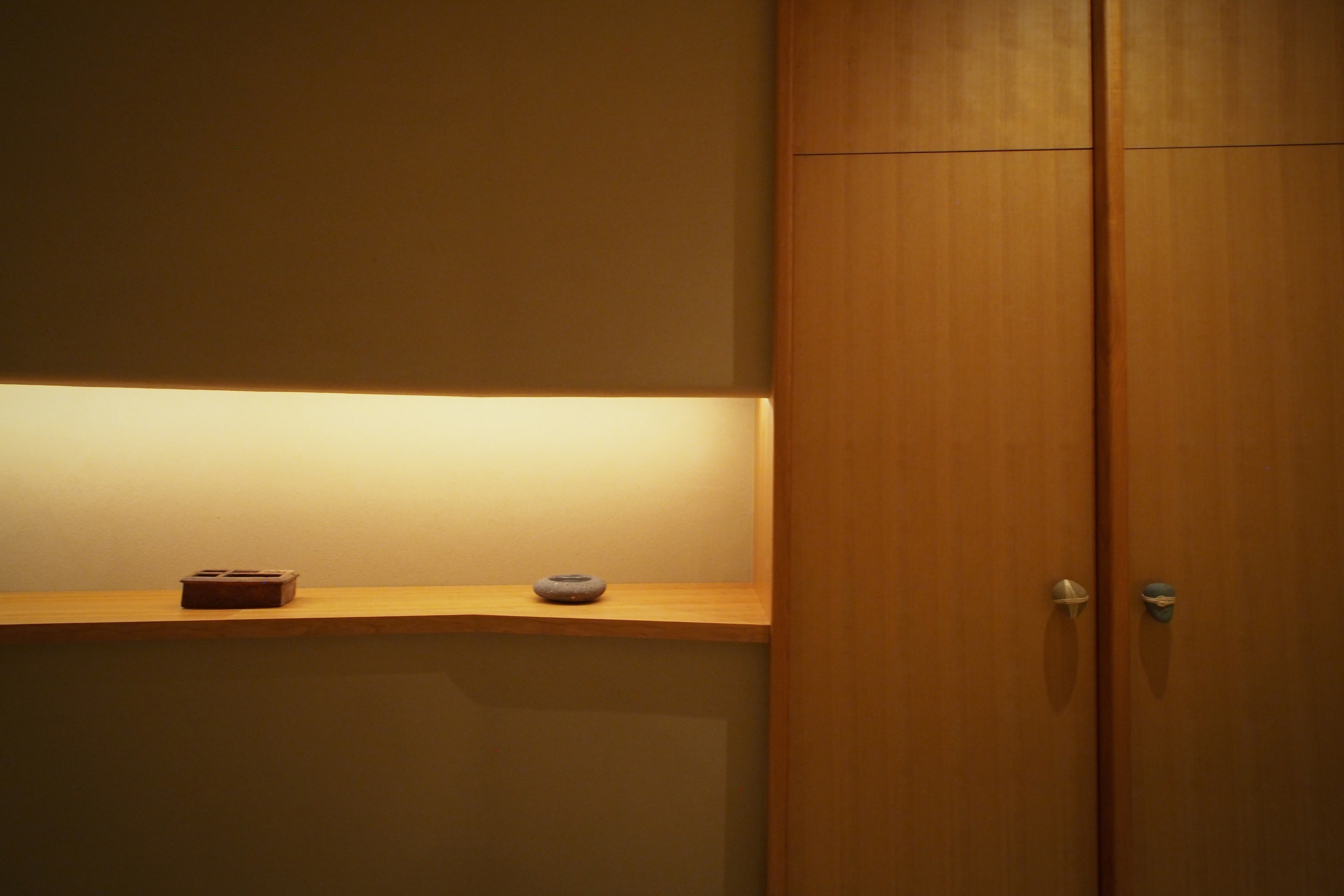
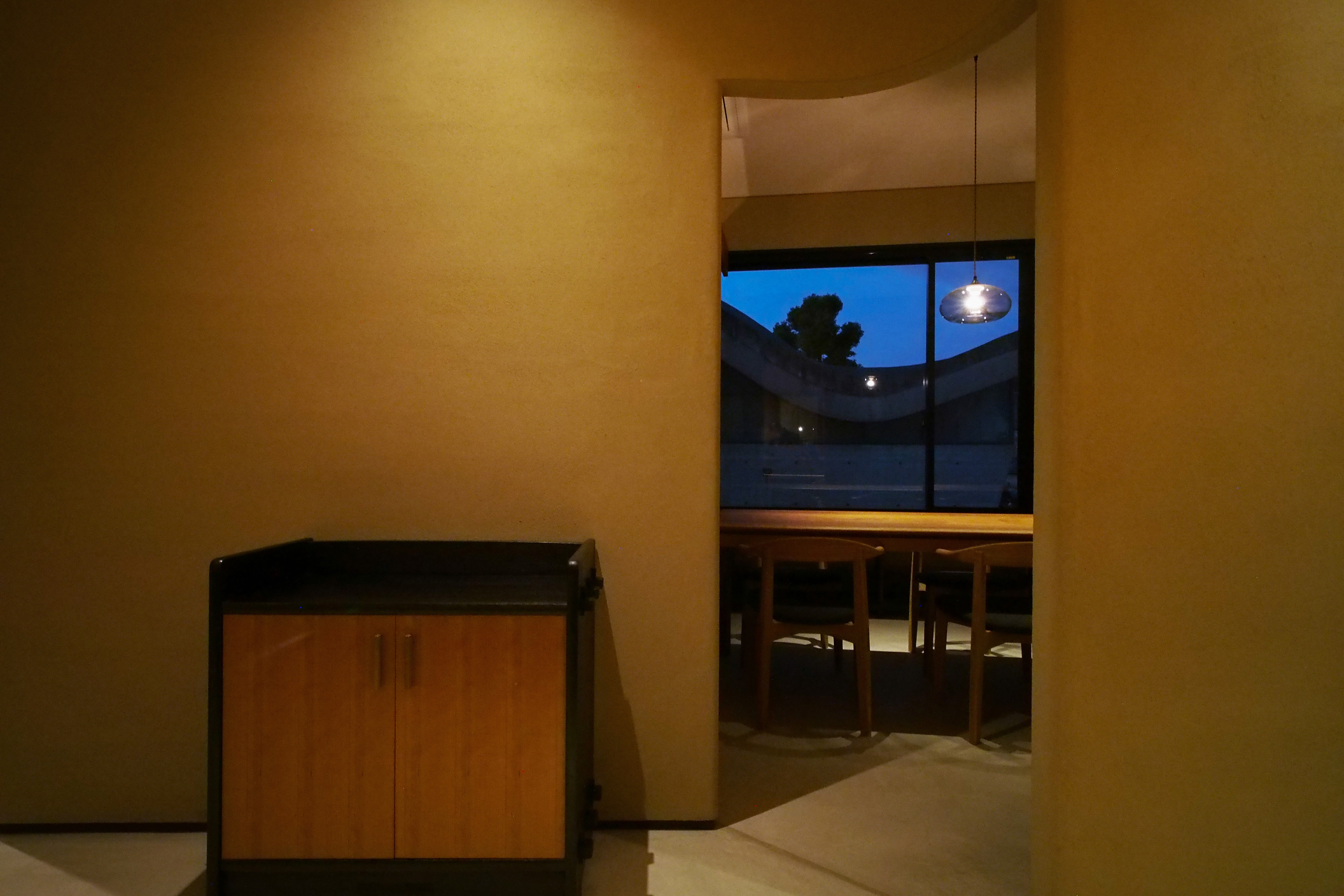
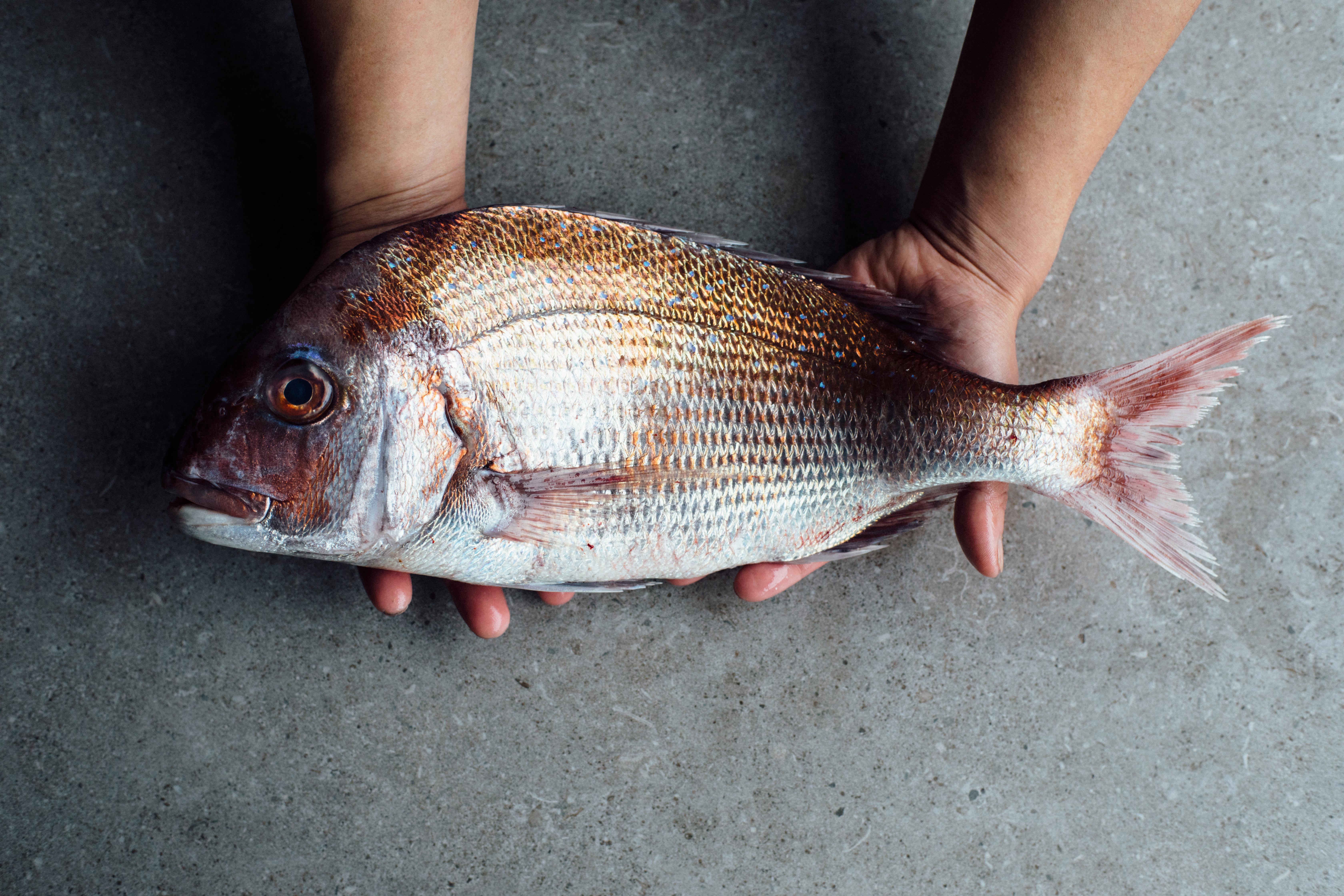
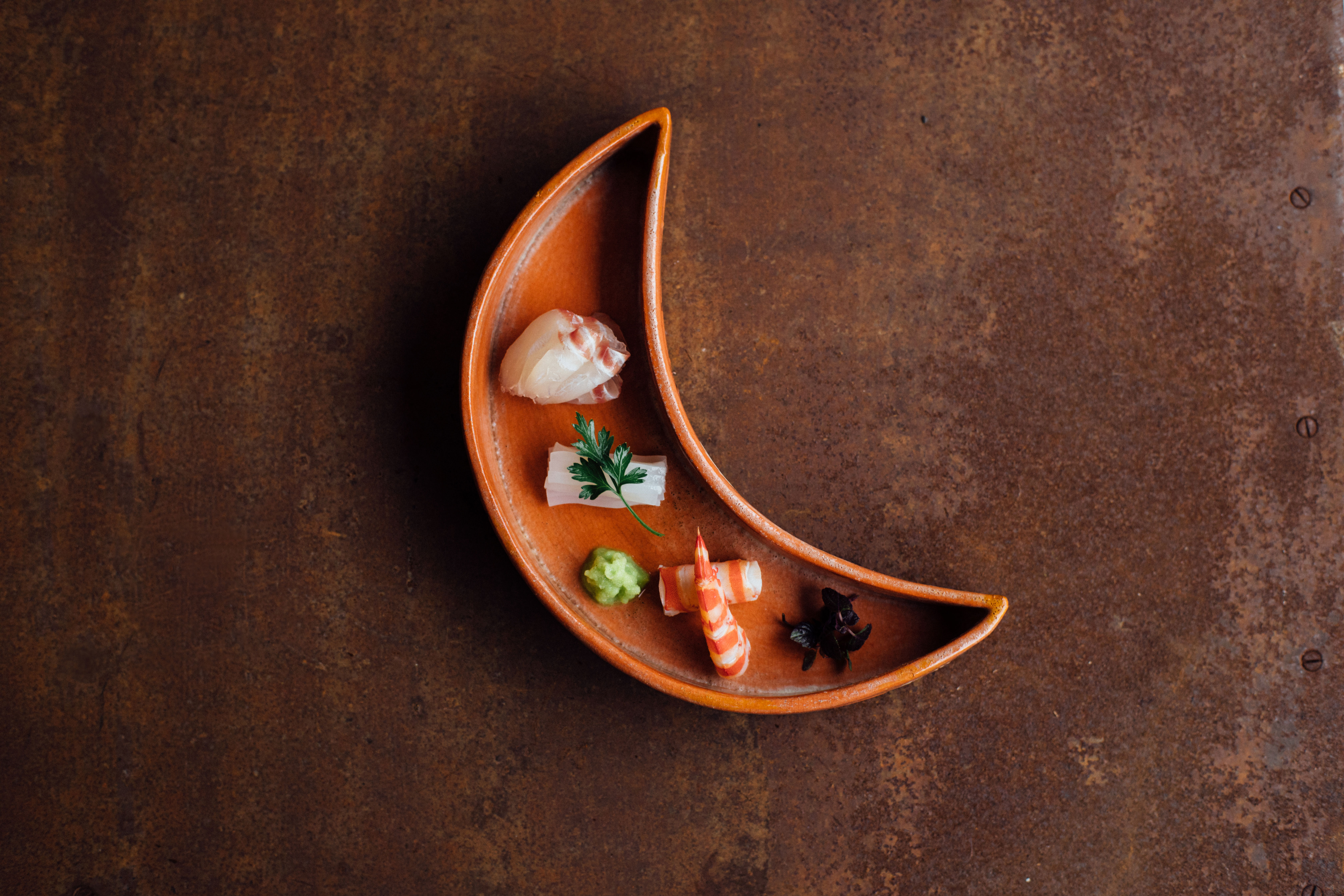
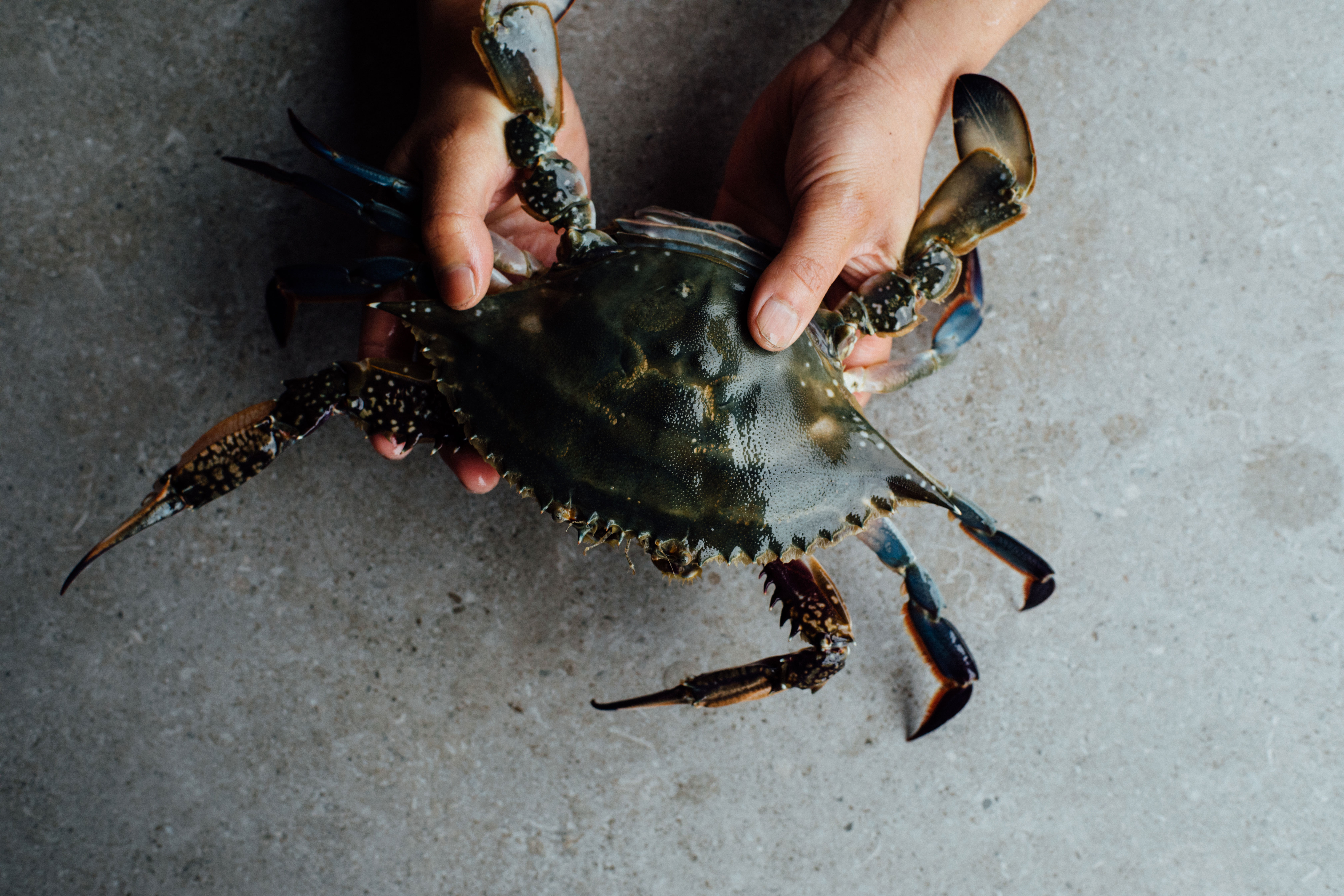
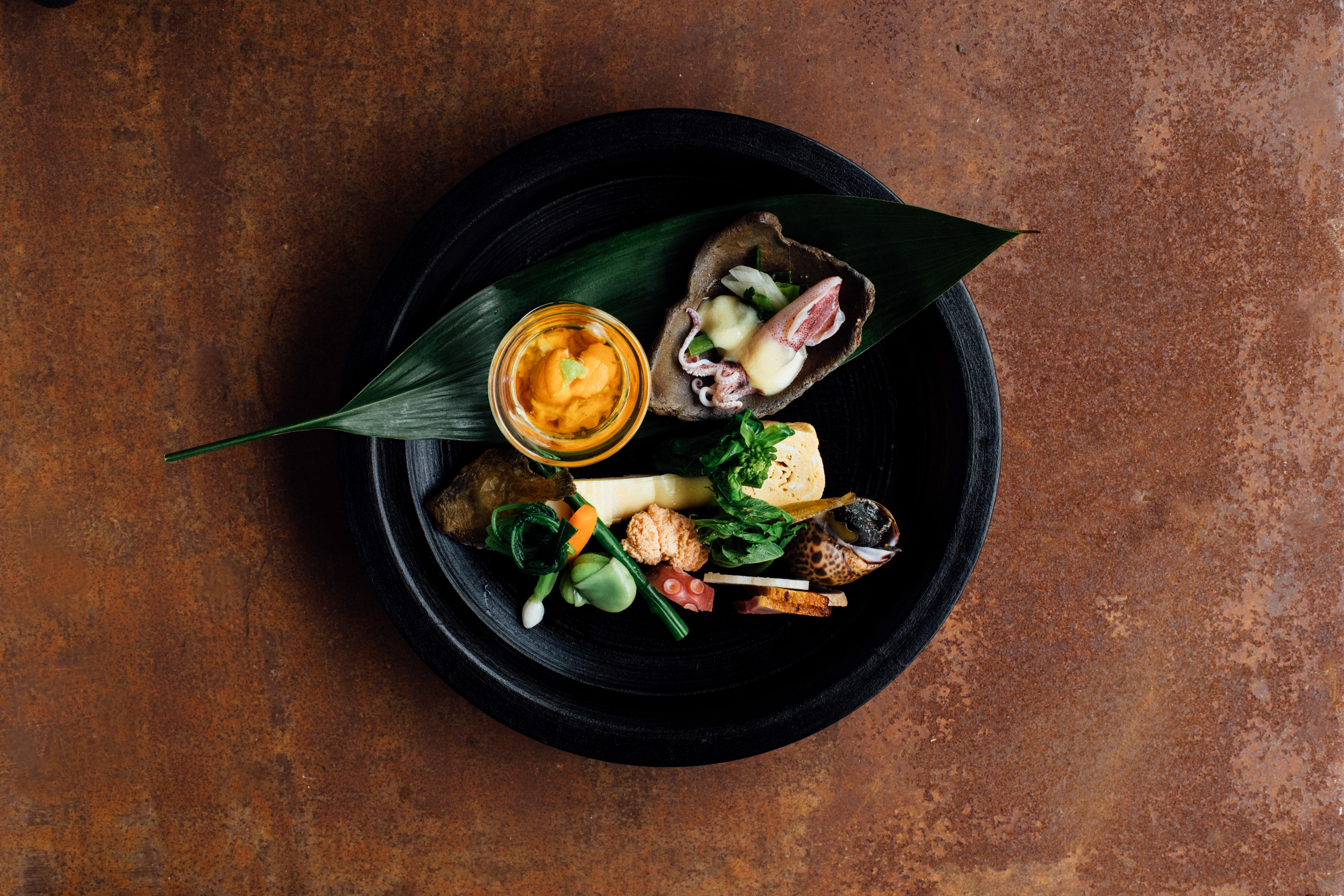
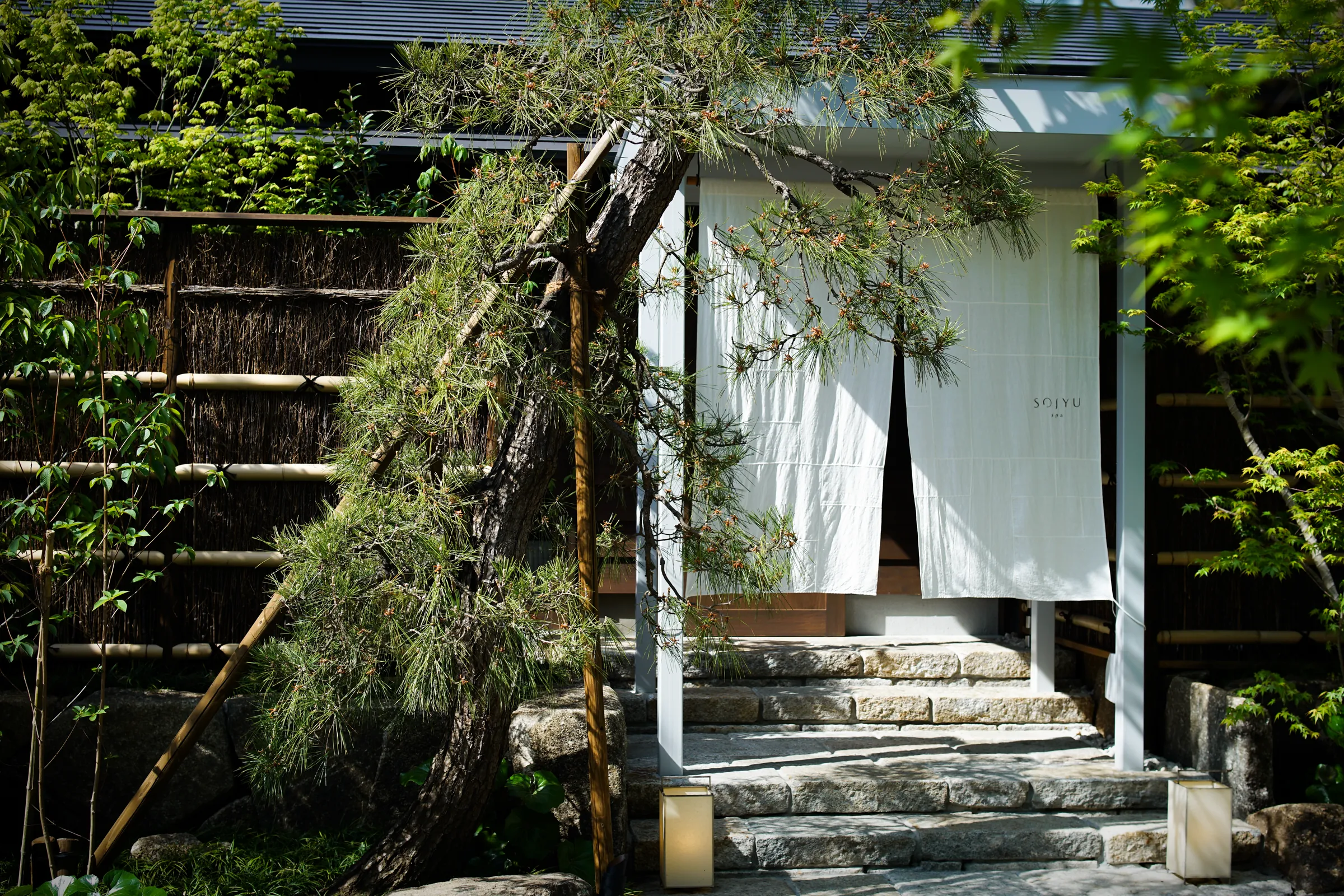
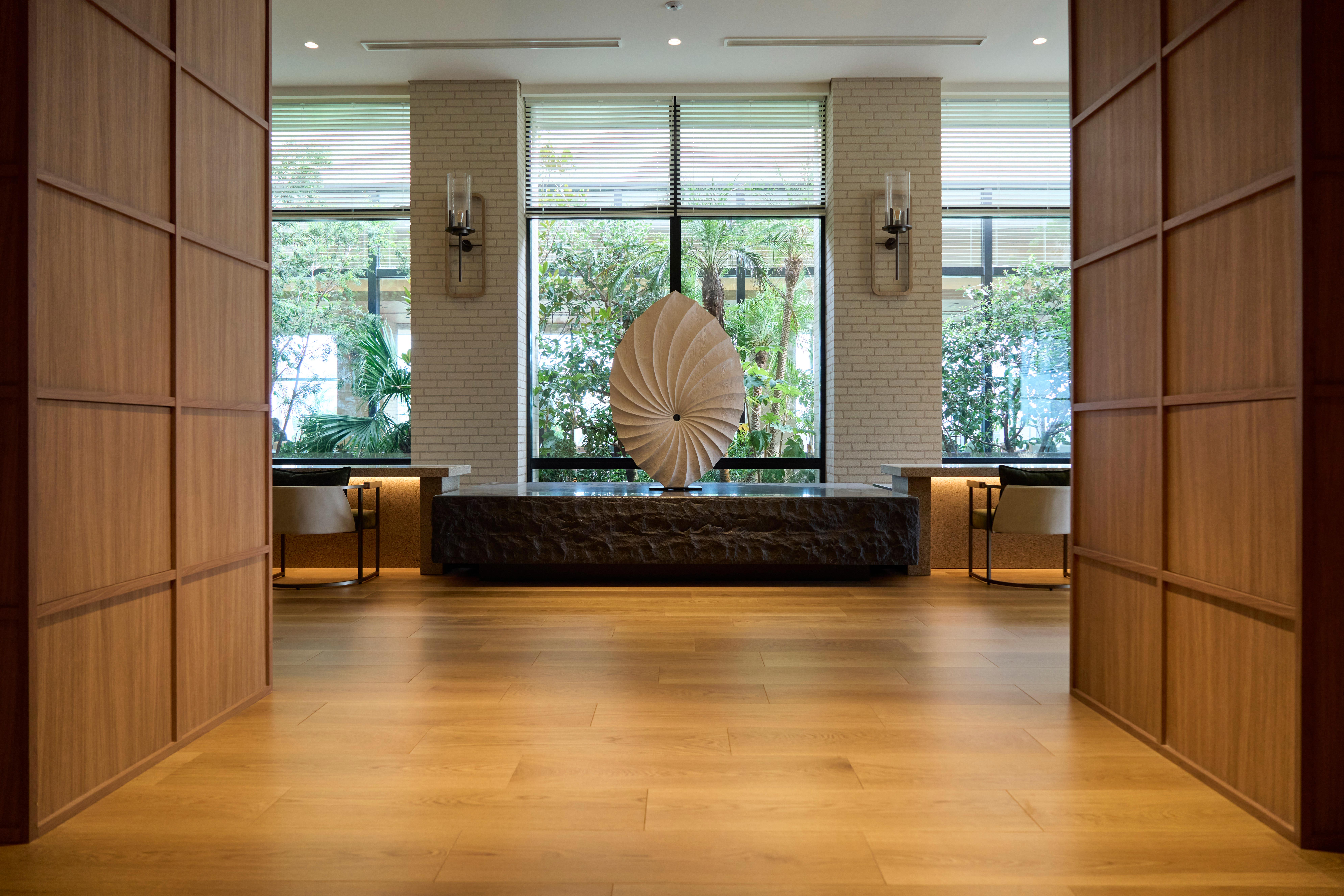
The interior sets a low-lit, material-forward intimacy — warm wood, close seating, light that falls rather than floods. The food photography carries the same palette and restraint: moody overhead compositions, ingredients shown in the hand, donabe on dark grounds — images that look like they belong to the room, because they do. The graphics close the loop in the same voice. The result is one atmosphere expressed three ways; a guest reads it as a single intention long before they could explain it. This is control of mood, not layout — the register the whole Spatial pillar is built on. The restaurant went on to earn a Michelin star, and while that belongs to the kitchen, it is the kind of recognition that follows a room where nothing contradicts the food.